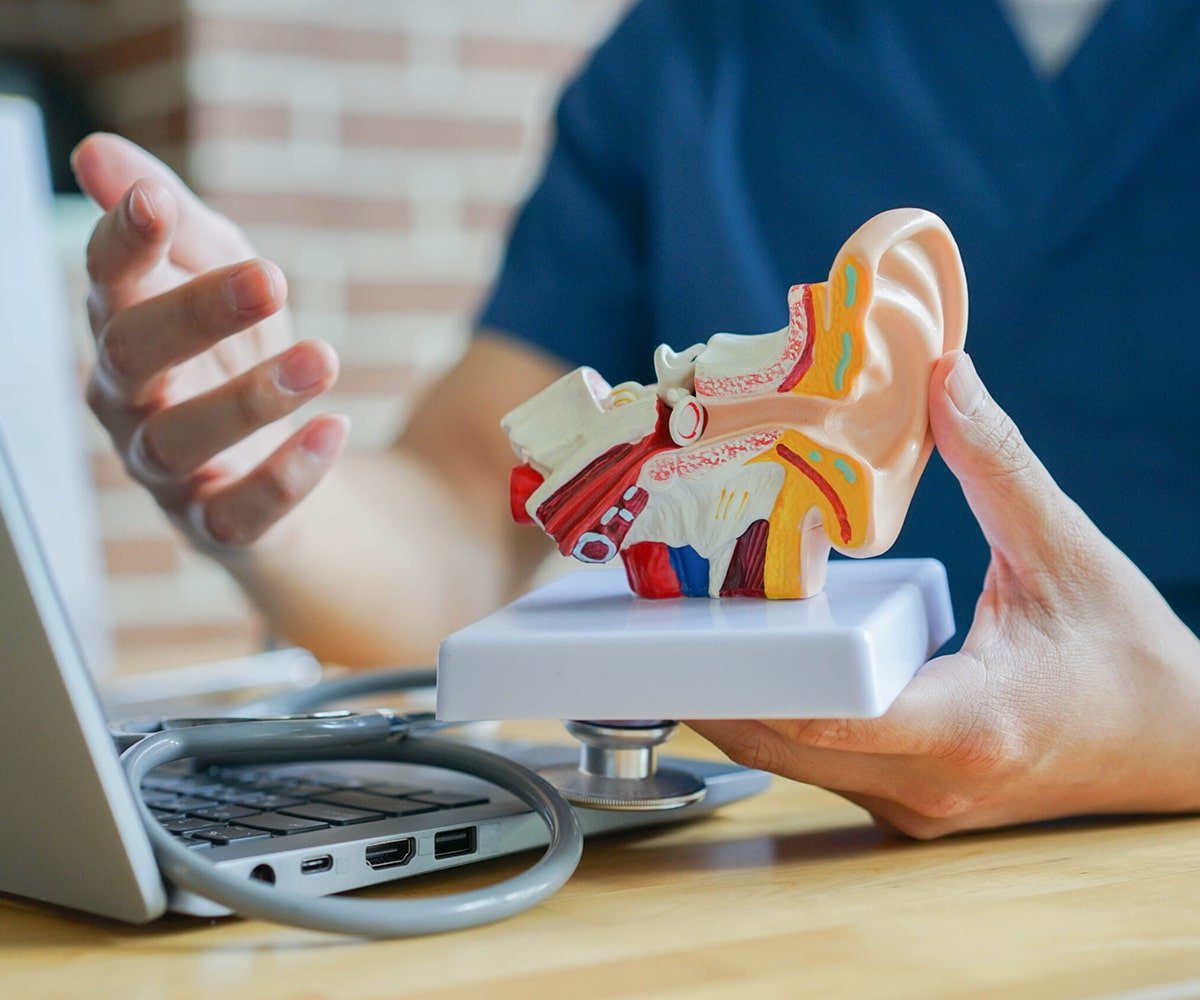

Ear pain (also known as otalgia) is a common condition that can affect people of all ages. It may range from mild discomfort to severe pain and can occur in one or both ears. While some cases are temporary and harmless, others may indicate underlying health issues that require medical attention. Understanding the causes and knowing when to seek treatment can help prevent complications and ensure better ear health.
🔍 Common Causes of Ear Pain
1. Ear Infections
One of the most common causes of ear pain, especially in children, is an ear infection. This occurs when bacteria or viruses infect the middle ear, leading to inflammation and fluid buildup. Symptoms may include sharp pain, fever, hearing difficulty, and sometimes discharge from the ear.
2. Earwax Buildup
Excessive earwax (cerumen) can block the ear canal and cause discomfort or pain. Using cotton buds or inserting objects into the ear can push wax deeper, worsening the blockage and irritation.
3. Sinus Infections
Sinus congestion or infections can create pressure that radiates to the ears, causing pain and a feeling of fullness. This is often accompanied by headache, nasal congestion, and facial pain.
4. Throat Infections
Conditions like tonsillitis or pharyngitis can cause referred pain in the ear. Even though the problem is in the throat, the pain may be felt in the ear due to shared nerve pathways.
5. Swimmer’s Ear (Outer Ear Infection)
This condition occurs when water remains trapped in the ear canal, creating a moist environment for bacterial growth. It can cause itching, redness, and pain, especially when touching the ear.
6. Injury or Pressure Changes
Changes in air pressure (such as during flights), loud noises, or physical injury can also lead to ear pain. Barotrauma can cause discomfort, especially during takeoff and landing.
7. Dental Problems
Issues like tooth infections, impacted wisdom teeth, or jaw problems (TMJ disorders) can sometimes cause pain that spreads to the ear.
⚠️ Symptoms That Should Not Be Ignored
While mild ear pain may resolve on its own, certain symptoms indicate the need for medical evaluation:
- Persistent pain lasting more than 2–3 days
- Hearing loss or reduced hearing
- Fluid or pus discharge from the ear
- Fever along with ear pain
- Severe pain or worsening symptoms
- Dizziness or balance issues
👨⚕️ When to See a Doctor
You should consult an ENT specialist if the pain is severe, recurring, or accompanied by the symptoms mentioned above. Early diagnosis can help identify the exact cause and prevent complications such as chronic infections or hearing loss.
At Sarvam Institute of ENT & Research, we use advanced diagnostic tools to evaluate ear conditions accurately and provide effective, personalized treatment for long-term relief.
🛡️ Prevention Tips for Healthy Ears
- Avoid inserting objects like cotton buds into the ear
- Keep ears dry, especially after swimming
- Treat allergies and sinus issues promptly
- Maintain good hygiene
- Use ear protection in noisy environments
🏥 Conclusion
Ear pain should never be ignored, especially if it persists or worsens over time. Identifying the underlying cause is essential for proper treatment and recovery. With timely care and expert guidance, most ear conditions can be effectively treated.
If you are experiencing ear discomfort or related symptoms, don’t delay seeking medical advice. Early care ensures better outcomes and protects your hearing health.
📞 Call to Action
Book your consultation today at Sarvam Institute of ENT & Research for expert ear care and accurate diagnosis.