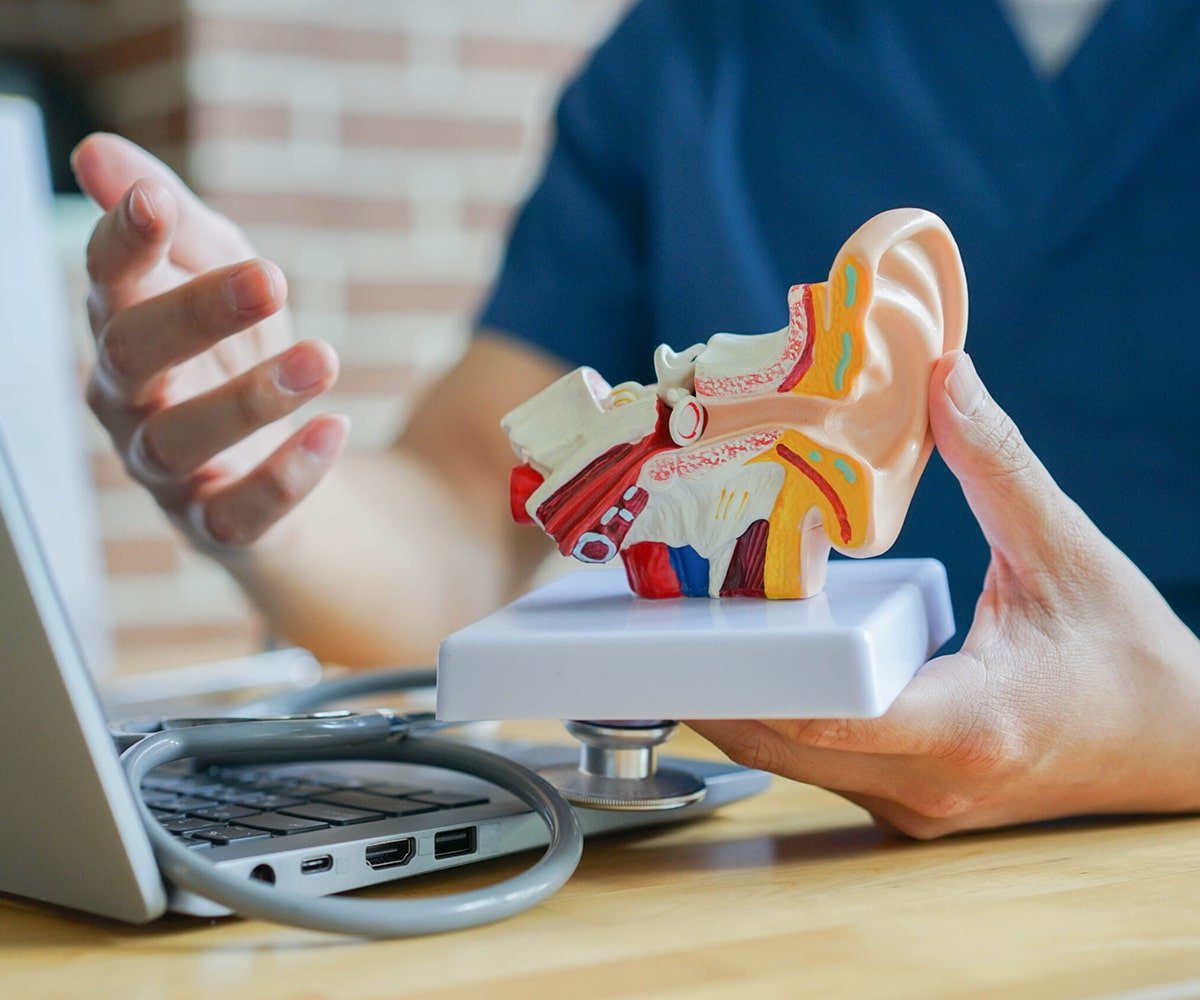

Sinusitis is a common condition that occurs when the sinuses—air-filled spaces in the skull—become inflamed or infected. This inflammation can block normal drainage, leading to mucus buildup, pressure, and discomfort. Sinusitis can affect people of all ages and may be acute (short-term) or chronic (long-lasting). Understanding its symptoms, causes, and treatment options is essential for effective management and long-term relief.
🔍 What is Sinusitis?
The sinuses are connected to the nasal passages and help in filtering air, producing mucus, and supporting voice resonance. When these sinuses become blocked due to infection or allergies, it leads to inflammation known as sinusitis.
There are different types of sinusitis:
- Acute Sinusitis – lasts up to 4 weeks
- Subacute Sinusitis – lasts 4 to 12 weeks
- Chronic Sinusitis – lasts more than 12 weeks
- Recurrent Sinusitis – multiple episodes throughout the year
⚠️ Common Symptoms of Sinusitis
Sinusitis symptoms can vary depending on the severity and type, but commonly include:
- Nasal congestion or blockage
- Thick nasal discharge (yellow or green)
- Facial pain or pressure (especially around eyes, nose, and forehead)
- Headache
- Reduced sense of smell
- Post-nasal drip (mucus flowing down the throat)
- Cough, especially at night
- Fatigue
- Fever (in some cases)
🦠 Causes of Sinusitis
Sinusitis can be triggered by several factors:
1. Infections
Viral infections like the common cold are the most frequent cause. Bacterial infections may follow if symptoms persist.
2. Allergies
Allergic reactions can cause swelling in the nasal passages, blocking sinus drainage.
3. Nasal Polyps
Small growths inside the nose can obstruct airflow and lead to chronic sinus issues.
4. Deviated Nasal Septum
A structural imbalance in the nasal passage can restrict proper drainage of sinuses.
5. Environmental Factors
Pollution, dust, smoke, and sudden weather changes can aggravate sinus conditions.
👨⚕️ Diagnosis of Sinusitis
At Sarvam Institute of ENT & Research, diagnosis is done through:
- Clinical examination
- Nasal endoscopy
- Imaging (CT scan, if required)
These help identify the exact cause and severity of the condition for proper treatment planning.
💊 Treatment Options
Treatment depends on the type and severity of sinusitis:
1. Medications
- Decongestants to reduce nasal blockage
- Antihistamines for allergy-related sinusitis
- Antibiotics (if bacterial infection is present)
- Nasal sprays to reduce inflammation
2. Lifestyle & Home Care
- Steam inhalation
- Staying hydrated
- Using saline nasal rinses
- Avoiding allergens and pollutants
3. Advanced Treatment
For chronic or severe cases:
- Endoscopic Sinus Surgery (FESS)
- Minimally invasive procedures for better drainage
At Sarvam ENT, advanced techniques ensure safe procedures and faster recovery.
⚠️ When to See a Doctor
Consult an ENT specialist if:
- Symptoms last more than 10 days
- Pain becomes severe
- Frequent sinus infections occur
- There is swelling around the eyes
- Fever persists
Early treatment can prevent complications and improve quality of life.
🛡️ Prevention Tips
- Manage allergies effectively
- Maintain nasal hygiene
- Avoid exposure to dust and pollution
- Stay hydrated
- Treat colds and infections early
🏥 Conclusion
Sinusitis can significantly affect daily life if left untreated. However, with proper diagnosis and timely care, it can be effectively managed. Whether it is a mild infection or a chronic condition, expert care plays a crucial role in recovery.
At Sarvam Institute of ENT & Research, we provide comprehensive sinus care using advanced diagnostic tools and modern treatment methods to ensure long-term relief.
📞 Call to Action
Book your consultation today for expert sinus treatment and breathe freely again.